The Irresistible Allure of Homemade Pasta e Fagioli Soup: Flavor, Freshness, and Beyond
Few dishes evoke the warmth and comfort of Italian cuisine quite like a hearty bowl of pasta e fagioli. This beloved classic, translating simply to "pasta and beans," is a staple in Italian homes, celebrated for its robust flavors and soul-satisfying texture. While many turn to popular chain restaurants like Olive Garden for their fix, discerning food lovers know that the truly transcendent experience comes from a homemade pasta e fagioli soup. It’s not just a meal; it’s a culinary journey that promises deeper flavors, fresher ingredients, and an unparalleled sense of comfort that a restaurant simply can't replicate.
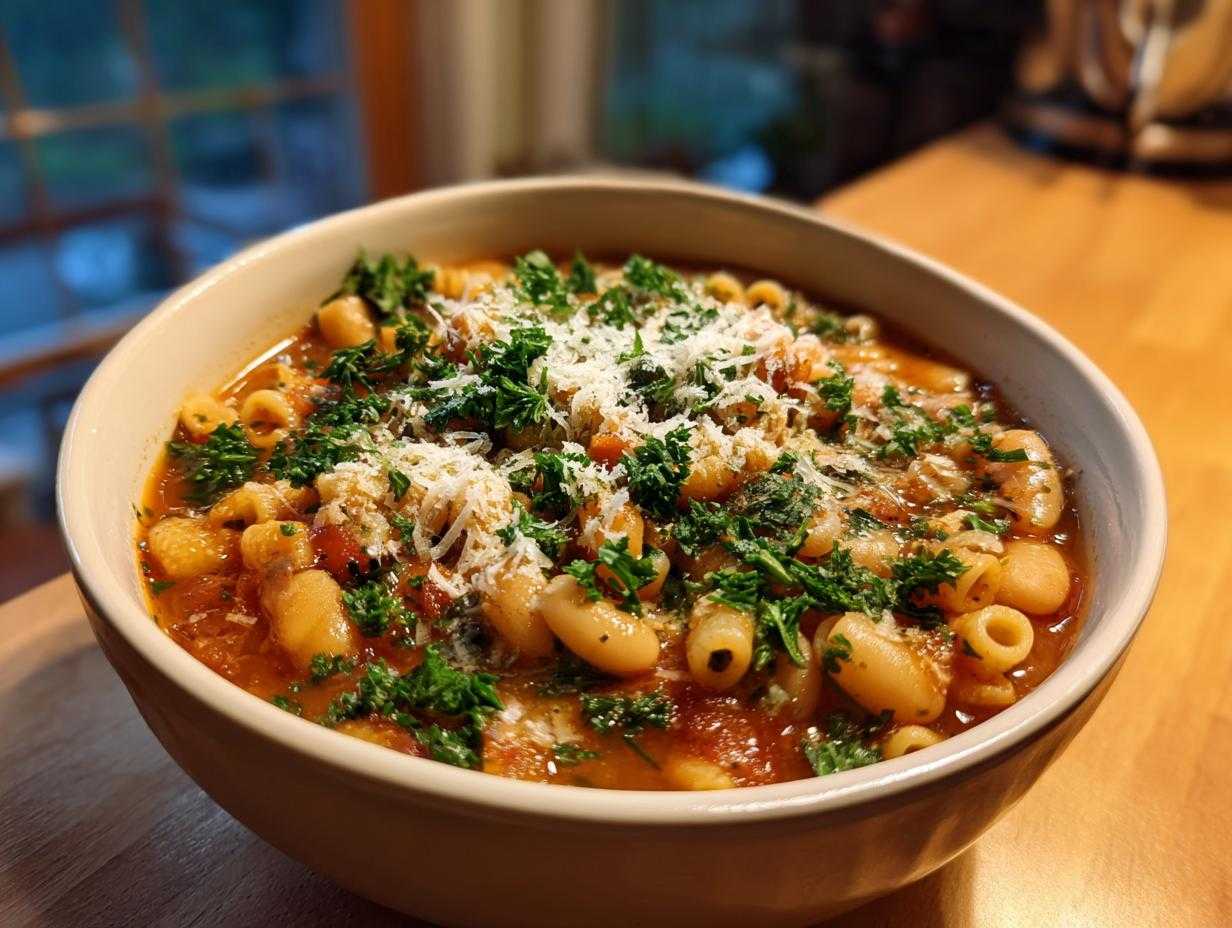
Imagine a rich, savory broth brimming with tender ground beef, a vibrant medley of fresh vegetables, creamy beans, and perfectly cooked pasta, all infused with aromatic herbs. This isn't just a description of a recipe; it's the promise of a homemade pasta e fagioli. Unlike its commercially prepared counterparts, a homemade version offers complete control over ingredient quality and flavor development. You can select premium ground beef (or choose a lean turkey or a plant-based alternative like lentils or mushrooms for a vegetarian twist), hand-pick the freshest carrots, celery, and onions for a foundational soffritto, and choose your preferred varieties of creamy cannellini or borlotti beans.
The magic truly happens in the slow simmering process, allowing all these elements to meld into a complex, satisfying flavor profile that builds in layers. This deliberate preparation results in a pasta e fagioli soup that is not merely good, but truly unforgettable—a dish that consistently becomes a reader and family favorite, beloved for its delicious, satisfying flavor and hearty substance. And the best part? It often uses ingredients you already have on hand, making it an accessible indulgence that comes together surprisingly easily, often in just one pot.
Crafting Your Signature Pasta e Fagioli Soup: Unlocking Authentic Italian Flavors
The beauty of pasta e fagioli lies in its versatility and the endless possibilities for customization. While the core concept remains "pasta and beans," the variations across Italy—and indeed, across households worldwide—are immense. You'll find brothy versions, rich and tomato-heavy ones, creamy concoctions, and those brimming with an abundance of vegetables. There are also austere renditions focusing solely on the pasta and beans, and others bursting with garlic, infused with wine, spiced with red pepper flakes, or made hearty with various meats or cheeses. To truly understand this culinary diversity and explore the roots of this dish, consider delving into Pasta e Fagioli: Exploring Regional Styles & Bean Secrets.
The Bean Debate: Canned vs. Dried
One of the most significant choices in crafting your pasta e fagioli soup revolves around the beans. Canned beans offer undeniable convenience and a consistently good texture, making them a popular choice for quick meals. However, their primary drawback can be a less pronounced flavor profile compared to dried beans cooked from scratch. If you opt for canned beans, the key is to compensate for this with a robust, flavor-packed broth. This means generously incorporating aromatic vegetables like garlic and onion, diced tomatoes, a touch of red pepper flakes for warmth, high-quality chicken or vegetable stock, bay leaves, and a generous hand with herbs like oregano and parsley. Even the type of fat matters; a combination of olive oil, butter, or rendered pancetta can add incredible depth and richness, elevating the entire dish.
For those seeking the deepest flavor and creamy texture, starting with dried beans is a rewarding endeavor. While it requires a bit more foresight (soaking overnight), the resulting richness and earthy notes are unparalleled and truly allow the beans to shine as a star of the show. Whether canned or dried, high-quality beans are the cornerstone of an exceptional pasta e fagioli.
Mastering the Pasta: A Crucial Detail
The pasta component in pasta e fagioli soup is equally critical. Small, ditalini-style pasta is traditional, but feel free to experiment with elbow macaroni, small shells, or even broken spaghetti. A key tip for perfect texture, especially if you anticipate leftovers, is to cook the pasta separately from the main soup base. If you cook the pasta directly in the soup, it will absorb a significant amount of liquid and become mushy over time, especially when stored. If you plan to serve and consume the entire pot immediately, you can cook the pasta directly in the soup—just be sure to add an extra cup of water or broth to account for the liquid the pasta will absorb during its 10-15 minutes of simmering. However, for the best results and ideal meal prep, cook the pasta al dente in a separate pot, toss it with a little olive oil to prevent sticking, and add it to individual bowls of soup just before serving. For more insights on streamlining your cooking process, check out our guide on Easy One-Pot Pasta e Fagioli: Hearty Comfort Food Guide.
Maximizing Your Masterpiece: Storage, Freezing, and Reheating Pasta e Fagioli Soup
One of the many advantages of homemade pasta e fagioli is its excellent make-ahead potential. Properly storing and reheating your soup ensures that every serving is as delicious as the first, making it perfect for meal prepping or enjoying throughout the week.
Storing Fresh Pasta e Fagioli
To preserve the integrity and texture of your soup, it's highly recommended to store the soup base and the cooked pasta separately. The soup itself can be kept in an airtight container in the refrigerator for up to 3 days. This prevents the pasta from becoming overly soft and absorbing too much of the precious broth. Many find it convenient to store individual portions of the soup base in microwave-safe containers, allowing for quick and easy reheating straight from the fridge.
Freezing for Future Enjoyment
Pasta e fagioli soup freezes exceptionally well, making it an ideal candidate for batch cooking. You can freeze the soup base for about 3 months in an airtight container. When freezing liquids, always remember to leave about ¾-inch of headspace at the top of the container to allow for expansion. Just like with refrigeration, store any cooked pasta separately (tossed with a little olive oil to prevent sticking) in its own freezer-safe bag or container. Thaw the soup overnight in the refrigerator before reheating.
Reheating Your Delicious Creation
For best results, reheat your pasta e fagioli soup on the stovetop over medium heat, stirring occasionally until it is thoroughly warmed through. If you've stored the pasta separately, add a fresh batch (or your thawed, pre-cooked pasta) to the hot soup just before serving. This simple step ensures that the pasta retains its ideal texture and doesn't turn mushy, providing that perfect al dente bite every time.
The Unmistakable Victory: Why Homemade Pasta e Fagioli Trounces the Chains
While the convenience of a restaurant meal is undeniable, a homemade pasta e fagioli soup consistently surpasses commercial offerings, especially from large chains, in several key areas:
- Unrivaled Flavor Depth: Homemade allows for a patient layering of flavors, from the initial sautéing of aromatics to the slow simmering of the broth. This creates a complexity and richness that is simply not feasible in a mass-produced setting, where speed and consistency often trump nuanced flavor development.
- Superior Ingredient Quality and Control: You choose every component. Fresher vegetables, higher quality meats (or legumes), and the absence of artificial additives, excessive sodium, or preservatives found in some commercial preparations. This control not only enhances flavor but also aligns with healthier eating habits.
- Customization to Your Palate: Dietary restrictions? Spice preference? Vegetarian or vegan? With homemade, you are the chef. Adjust seasonings, add extra vegetables, swap meats, or even experiment with different beans and pasta shapes to create your perfect bowl of pasta e fagioli soup.
- Cost-Effectiveness: Crafting a pot of homemade pasta e fagioli is often significantly more economical than purchasing individual servings from a restaurant. It provides multiple satisfying meals for a fraction of the cost.
- The Heartfelt Comfort Factor: There's an intangible joy and satisfaction that comes from preparing a comforting meal from scratch. The aroma filling your kitchen, the act of nurturing a dish, and the shared experience of eating something lovingly made adds an emotional layer that no restaurant, however charming, can replicate. It’s more than just food; it’s an experience born of care and tradition.
In essence, while Olive Garden offers a consistent and recognizable version, it often lacks the soul, the depth, and the personalized touch that defines truly great pasta e fagioli. The difference is akin to comparing a mass-market painting to a handcrafted work of art—both may depict the same subject, but one carries the unique imprint of its creator's passion and skill.
Conclusion
The journey to creating your own incredible homemade pasta e fagioli soup is a rewarding one. From selecting the freshest ingredients and building layers of flavor in a rich broth to mastering the art of perfectly cooked pasta, every step contributes to a dish that far surpasses any restaurant offering. It's an ultimate comfort food, a hearty and satisfying meal that nourishes both body and soul. Next time the craving for a truly authentic and delicious pasta e fagioli soup strikes, consider venturing into your own kitchen. You'll not only discover a beloved family favorite but also the profound satisfaction of knowing you've crafted a culinary masterpiece that truly beats the rest.
