Pasta e Fagioli: A Timeless Italian Comfort, Reimagined
Few dishes evoke the warmth and comfort of home quite like a steaming bowl of
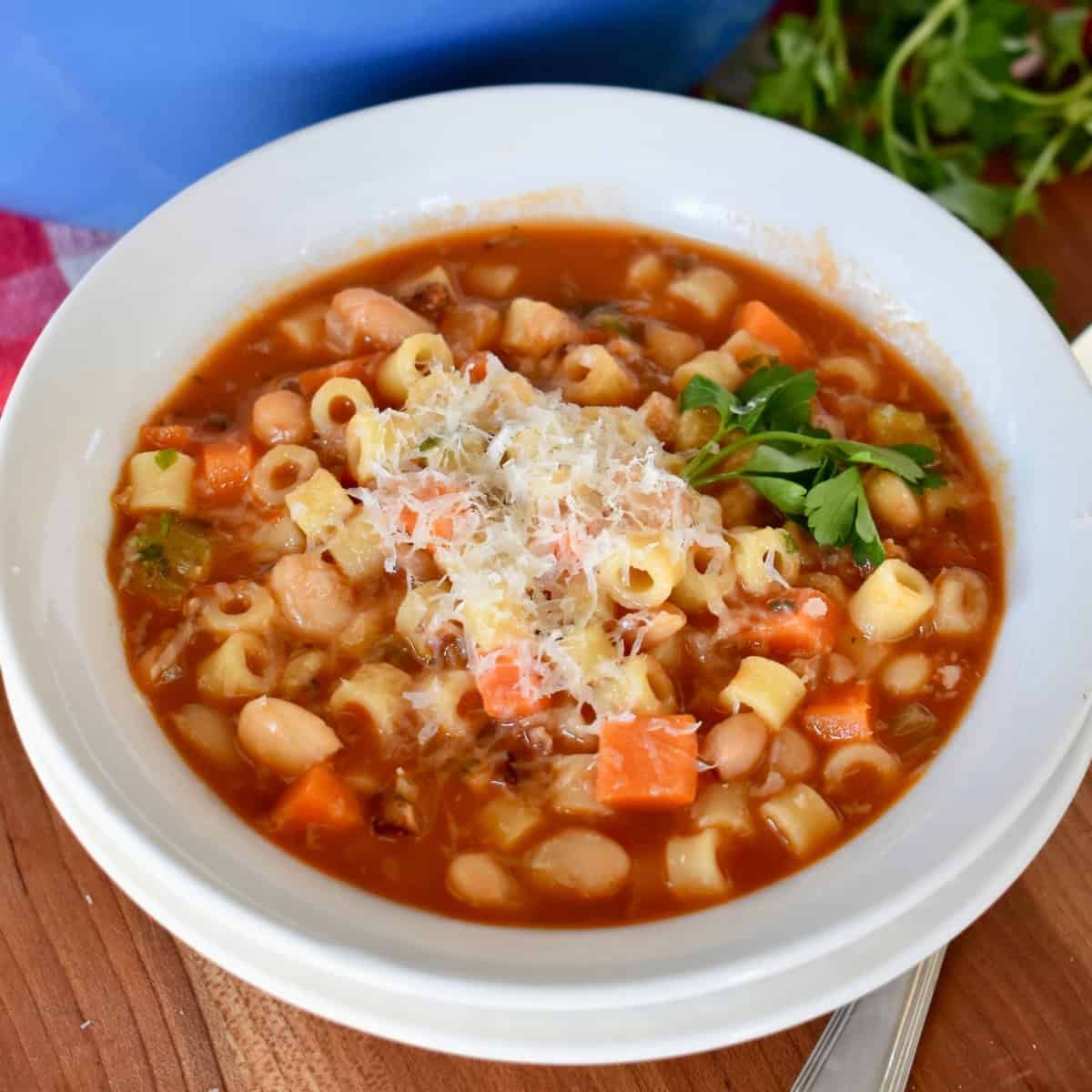
pasta e fagioli soup. This beloved Italian classic, whose name simply translates to "pasta and beans," has captivated palates worldwide, cementing its status as an ultimate comfort food. While many might be familiar with popular restaurant versions, the true magic of pasta e fagioli lies in its homemade preparation, offering a depth of flavor and hearty satisfaction that often surpasses expectations. It’s a dish so universally adored that it quickly becomes a family favorite, cherished for its nourishing ingredients, simple preparation, and undeniably delicious taste.
At its core, pasta e fagioli is a symphony of readily available ingredients: tender pasta, creamy beans, a medley of fresh vegetables, aromatic herbs, and often, a savory protein like ground beef, all simmered together in a rich, flavorful broth. What makes it truly remarkable is its versatility and ease. Many variations come together effortlessly in a single pot, transforming common pantry staples into a satisfying meal that everyone at the dinner table can agree on. For those looking for an incredibly simple yet profoundly rewarding cooking experience, our guide on
Easy One-Pot Pasta e Fagioli: Hearty Comfort Food Guide offers invaluable tips to master this approachable dish.
The Kaleidoscope of Regional Pasta e Fagioli Styles
To speak of a single, definitive pasta e fagioli recipe would be to misunderstand the very soul of Italian cooking. This classic
pasta e fagioli soup is arguably as diverse as Italy itself, with virtually every region, province, and even individual household boasting its own cherished rendition. This delightful variability makes it not just a dish, but a fascinating culinary study, showcasing how core ingredients can be transformed through different cultural lenses.
The spectrum of styles is vast and intriguing: some versions are delightfully brothy, others rich and tomatoey, while still others achieve a creamy consistency. You’ll find versions abundant with a vibrant array of vegetables, and then austere ones focusing almost exclusively on the delicate interplay of pasta and beans. Some recipes lean into robust flavors with plenty of garlic and red wine, others add a spicy kick, and many incorporate various meats or cheeses, though vegan options are equally popular. This incredible range ensures that there's a pasta e fagioli to suit every taste and occasion.
Tomato-Rich and Hearty: A Northern Italian Influence
Many popular variations of
pasta e fagioli soup, particularly those found outside of Italy or in more northern regions, tend towards a richer, more robust flavor profile. These often feature a generous tomato base, creating a deeply savory, sometimes slightly sweet, and wonderfully hearty broth. It's in these versions that you might find the addition of ground beef, pancetta, or even a blend of different meats, contributing a satisfying umami and substantial texture.
This approach often aims to build layers of flavor, compensating for the more neutral taste of readily available canned beans. Ingredients like a robust soffritto (sautéed onions, carrots, and celery), plenty of garlic, bay leaves, oregano, and a good quality chicken or vegetable stock are crucial here. The goal is a complex, full-bodied soup that warms you from the inside out, making it the perfect antidote to a chilly evening. This style of preparation is precisely what elevates a homemade
pasta e fagioli soup to a level that consistently beats many commercial offerings. If you’ve ever wondered why homemade can taste so much better, delve into our article,
Why This Homemade Pasta e Fagioli Beats Olive Garden's, for a deeper understanding of these flavor-building techniques.
Rustic and Austere: The Tuscan Philosophy
In stark contrast to the hearty, tomato-rich versions, some regional styles—most notably the Tuscan approach—champion a more minimalist philosophy. These traditional recipes often narrow the focus to just two primary ingredients: beans and pasta. The success of such a stripped-down dish hinges entirely on the exceptional quality of these core components.
In Tuscany, cannellini beans, often cooked from scratch, are prized for their delicate flavor and incredibly creamy texture. The broth might be simpler, perhaps just water or a light vegetable broth, seasoned judiciously with olive oil, sage, garlic, and black pepper. The absence of overwhelming flavors allows the inherent earthiness of the beans and the subtle chew of the pasta to truly shine. This style is a testament to the Italian culinary principle of letting high-quality ingredients speak for themselves, proving that sometimes, less truly is more.
The Secret Life of Beans: Unlocking Flavor and Texture
The humble bean is undeniably the co-star of
pasta e fagioli soup, and understanding its nuances is key to mastering this dish. Whether you choose the convenience of canned or the superior flavor of dried, knowing how to coax the best out of your beans will profoundly impact the final result.
Choosing Your Beans: Canned vs. Dried
The great bean debate often boils down to a trade-off between convenience and flavor.
*
Canned Beans: These are a fantastic option for speed and ease. They are pre-cooked, ready to go, and generally have a good, consistent texture. However, their primary drawback is often a less distinctive flavor compared to beans cooked from scratch. They can taste somewhat flat, requiring the cook to build a more robust, flavorful broth around them.
*
Dried Beans: For a truly exceptional
pasta e fagioli soup, dried beans are often the preferred choice. When properly soaked and cooked, they develop an incredibly creamy texture and a deeper, more earthy flavor that simply cannot be replicated by their canned counterparts. Varieties like cannellini, borlotti, or great northern beans are commonly used. While they require foresight (soaking overnight) and longer cooking times, the resulting depth of flavor and luxurious texture are well worth the effort.
Enhancing Canned Beans: A Flavor Boost
If time constraints lead you to reach for canned beans, fear not! There are numerous strategies to elevate their flavor profile and ensure they contribute positively to your
pasta e fagioli soup:
*
Rinse Thoroughly: Always rinse canned beans under cold water to remove excess sodium and any starchy liquid that can affect flavor.
*
Build a Strong Foundation: This is where a rich soffritto comes in. Sautéing onions, carrots, and celery until deeply softened and fragrant creates a sweet and savory base.
*
Aromatic Powerhouse: Incorporate plenty of garlic, red pepper flakes for a subtle warmth, and robust herbs like dried oregano, fresh parsley, and a bay leaf. These aromatics infuse the broth with vital character.
*
Quality Broth: Using a high-quality chicken or vegetable stock instead of just water will instantly add depth and body.
*
Fat is Flavor: Don't shy away from using good fats. Sautéing your aromatics in olive oil, butter, or even rendered pancetta or ground beef fat will carry and distribute flavors beautifully throughout the soup.
Mastering Dried Beans: The Path to Creaminess
For those embarking on the journey with dried beans, a few simple steps ensure success:
*
Soaking: Most dried beans benefit from an overnight soak in water. This rehydrates them, reduces cooking time, and helps them cook more evenly.
*
Slow Simmering: Cook soaked beans gently in plenty of water or broth until they are tender and creamy, not mushy. Avoid adding salt until the beans are almost cooked, as early salting can toughen their skins.
*
Aromatic Infusion: Simmering beans with aromatics like bay leaves, garlic cloves, or a sprig of sage or rosemary during cooking will subtly infuse them with flavor from the inside out.
Practical Tips for Your Best Pasta e Fagioli Soup
Achieving a truly outstanding
pasta e fagioli soup involves more than just a great recipe; it's also about smart cooking and storage practices.
Pasta Perfection: Avoiding the Soggy Pitfall
One of the most common dilemmas with
pasta e fagioli soup is preventing the pasta from becoming overcooked and mushy, especially in leftovers. Pasta, when left to sit in liquid, will continue to absorb it and soften.
*
Serve Immediately: If you plan to consume the entire pot of soup right away, you can cook the pasta directly in the soup. It typically takes about 10-15 minutes of simmering. Just remember to add an extra cup of water or broth to account for the liquid the pasta will absorb.
*
Store Separately for Leftovers: For any portions you anticipate saving, the best practice is to cook the pasta separately and add it to individual bowls of soup just before serving. This ensures the pasta remains perfectly al dente. If storing cooked pasta, toss it with a little olive oil to prevent sticking.
Storage & Reheating Savvy
Proper storage is key to enjoying your homemade
pasta e fagioli soup for days to come.
*
Refrigeration: Store the soup (separate from any cooked pasta) in an airtight container in the refrigerator for up to 3 days. Using individual microwave-safe containers makes reheating single portions incredibly convenient.
*
Freezing: This soup freezes beautifully! Pour the cooled soup into airtight containers, leaving about 3/4-inch headspace to allow for expansion. Store any cooked pasta (tossed with olive oil) in a separate freezer-safe bag or container. It will keep well for about 3 months. Thaw frozen soup overnight in the refrigerator before reheating.
*
Reheating: Gently reheat the soup in a pot on the stovetop over medium heat, stirring occasionally, until warmed through. Add your pre-cooked pasta just before serving.
Ingredient Spotlight
*
Ground Beef: A popular choice for a hearty protein, it adds richness and substance.
*
Fresh Vegetables: Carrots, celery, and onions form the classic Italian soffritto base, building foundational flavor.
*
Herbs: Dried oregano, basil, and bay leaves are quintessential for that authentic Italian taste.
*
Broth: A high-quality chicken or vegetable broth is crucial for a flavorful soup.
Conclusion
Pasta e fagioli is far more than just "pasta and beans"; it's a culinary embrace, a testament to Italy's diverse regional flavors, and an enduring symbol of comfort food. From the hearty, tomato-rich bowls popular in the diaspora to the austere, bean-focused wonders of Tuscany, each variation offers a unique glimpse into the soul of Italian cuisine. By understanding the secrets of selecting and preparing beans, mastering pasta techniques, and embracing the regional nuances, you can craft a
pasta e fagioli soup that is not only profoundly satisfying but also deeply personal. So go ahead, experiment with ingredients, explore different styles, and discover your own cherished version of this timeless Italian classic.