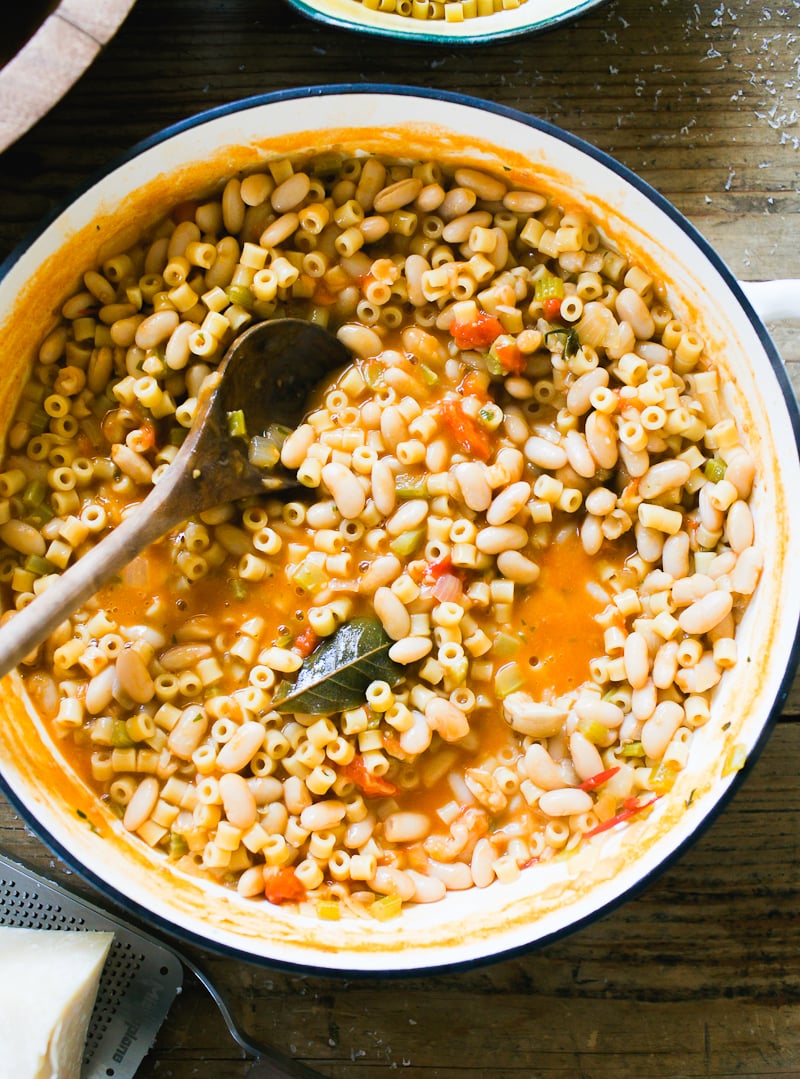
The Allure of One-Pot Pasta e Fagioli Soup: Your Ultimate Comfort Food Guide
There are few dishes that encapsulate the essence of comfort quite like a steaming bowl of pasta e fagioli. This beloved Italian-style soup, whose name simply translates to "pasta and beans," offers a delightful embrace of warmth, flavor, and satisfaction. Imagine a rich, savory broth brimming with tender ground beef, an assortment of fresh, vibrant vegetables, creamy beans, and perfectly cooked pasta, all infused with aromatic herbs. It's more than just a meal; it's a culinary experience that nourishes both body and soul. And the best part? Our guide focuses on making this incredible dish effortlessly in a single pot, simplifying cleanup without compromising on taste.
For years,
many home cooks have sought to recreate the magic of their favorite restaurant versions, only to discover that the homemade rendition often surpasses expectations. This particular pasta e fagioli soup recipe has earned its stripes as a true reader and family favorite, not just for its undeniably delicious taste but also for its sheer practicality. It typically calls for readily available ingredients—like ground beef, often stashed in the freezer, or pantry-staple beans and pasta—making it an ideal weeknight dinner solution. The robust, satisfying flavor profile ensures everyone at the table will agree it's a winner, making this one-pot pasta e fagioli a staple in any comfort food repertoire.
Crafting Your Perfect Pasta e Fagioli: Key Ingredients & Flavor Boosters
The beauty of a truly exceptional pasta e fagioli soup lies in the harmony of its core components and the thoughtful development of its flavors. While the name highlights pasta and beans, a complete version brings so much more to the table.
Key elements often include:
- Hearty Protein: Ground beef is a popular choice, providing a savory depth. However, alternatives like Italian sausage, pancetta, or even a vegetarian ground meat substitute can offer delicious variations.
- Fresh Vegetables: Aromatic vegetables form the backbone of the soup's flavor. A classic soffritto of onion, carrots, and celery (mirepoix) is essential, often complemented by zucchini, spinach, or bell peppers for added nutrition and texture.
- Creamy Beans: Cannellini beans are traditional, known for their tender texture and mild flavor, but red kidney beans or even a mix can be used.
- Tender Pasta: Small pasta shapes work best, such as ditalini, elbow macaroni, small shells, or even broken spaghetti.
- Rich Broth: A high-quality chicken or beef broth (or vegetable broth for a meatless version) is crucial. Tomatoes, in diced or crushed form, often enrich the broth and add a pleasant tang.
- Aromatic Herbs: Fresh or dried oregano, basil, thyme, and bay leaves are commonly used to infuse the soup with that quintessential Italian essence.
As fascinatingly diverse as Italy itself, pasta e fagioli boasts an astonishing array of regional styles. From brothy and minimalist versions focusing purely on beans and pasta, to richly tomatoey, creamy, or abundant soups brimming with various vegetables and meats, there's a pasta e fagioli for every palate. Some are garlicky, others spicy, some incorporate wine, and even vegan renditions exist. This incredible variation makes the dish a fantastic canvas for culinary creativity, allowing you to tailor it to your preferences. To dive deeper into this culinary spectrum, explore
Pasta e Fagioli: Exploring Regional Styles & Bean Secrets.
The Bean Dilemma: Canned vs. Dried
When it comes to the "fagioli" in your pasta e fagioli soup, you'll encounter a choice: canned or dried beans. Both have their merits. Canned beans are champions of convenience and speed, offering a consistently good texture straight from the can. However, they can sometimes lack the deep, earthy flavor that dried beans develop when cooked from scratch.
If opting for canned beans, it’s vital to build a robustly flavorful broth to compensate. This means generously sautéing ingredients like garlic and onion, adding a good punch of red pepper flakes for warmth, incorporating juicy tomatoes, and using rich chicken or beef stock. Leveraging different fats, such as a touch of pancetta, a swirl of olive oil, and perhaps a knob of butter, can also significantly enhance the flavor profile and mouthfeel, ensuring your canned beans play a supporting, not starring, role in a dazzling performance. For those who prefer dried beans, the extra effort of pre-soaking and simmering yields unparalleled flavor and a wonderfully creamy texture that truly elevates the entire pasta e fagioli soup experience.
Pasta Power: Choosing the Right Shape
The pasta element is equally important. Small, sturdy shapes are ideal as they cook evenly and integrate well into the soup without becoming cumbersome. Ditalini, elbow macaroni, or small shells are classic choices. When to add the pasta is a common question. If you plan to serve the entire pot of pasta e fagioli soup immediately, you can cook the pasta directly in the soup during the final 10-15 minutes of simmering. Just remember to add an extra cup or so of water or broth, as the pasta will absorb a significant amount of liquid. However, for any leftovers, it's highly recommended to cook the pasta separately and add it to individual bowls just before serving. This prevents the pasta from becoming overly soft and soggy as it sits in the leftover soup.
One-Pot Wonders: Simplifying Your Pasta e Fagioli Experience
The "one-pot" aspect of this pasta e fagioli soup is a game-changer, especially on busy weeknights. Beyond the obvious benefit of minimal cleanup, cooking everything in a single pot allows flavors to meld beautifully, creating a more cohesive and deeply satisfying dish.
The general flow of preparing this hearty soup typically involves:
- Building the Base: Start by browning your ground meat (if using) in the pot, breaking it up as it cooks. Drain any excess fat.
- Sautéing Aromatics: Add your diced onion, carrots, and celery to the same pot, softening them to release their sweet flavors. This is also the stage to add garlic and any other desired vegetables.
- Deglazing and Developing: Introduce canned tomatoes, broth, and seasonings like oregano, basil, and bay leaves. Scrape up any browned bits from the bottom of the pot—this is called deglazing and adds immense flavor.
- Simmering to Perfection: Let the soup simmer gently for a while, allowing all the ingredients to meld and the flavors to deepen. This is where the magic truly happens.
- Adding Beans and Pasta: Stir in your rinsed beans and, if cooking directly in the pot, your pasta during the last phase of cooking until tender.
This streamlined process ensures that every ingredient contributes to a wonderfully flavorful and cohesive pasta e fagioli soup, all from one convenient pot.
Smart Storage and Reheating Tips for Your Pasta e Fagioli Soup
Mastering the art of storing and reheating your pasta e fagioli soup is key to enjoying its comforting flavors for days to come. Proper storage not only extends its shelf life but also ensures that each subsequent serving is as delicious as the first.
Keeping Leftovers Fresh: The Pasta Conundrum
As mentioned, pasta has a tendency to absorb liquid and become mushy if left to sit in soup for too long. To preserve the optimal texture of both your pasta and the broth, the best practice for storing pasta e fagioli soup is to keep the cooked pasta separate from the soup itself. Once your soup has cooled, transfer it to an airtight container and refrigerate it. Cooked pasta, tossed with a tiny bit of olive oil to prevent sticking, can be stored in a separate airtight container. This method allows both components to maintain their ideal texture for up to 3 days in the refrigerator. For ultimate convenience, consider storing individual portions of soup in microwave-safe containers, ready for a quick reheat.
Freezing for Future Comfort
Pasta e fagioli soup freezes exceptionally well, making it a fantastic candidate for meal prepping. You can freeze it for up to 3 months in an airtight, freezer-safe container. As with refrigeration, it's advisable to freeze the soup base and cooked pasta separately. If you plan to freeze the soup with pasta already in it, be aware the pasta might be a little softer upon reheating. When freezing, remember to leave about ¾-inch of headspace in your container to allow for liquid expansion. When you're ready to enjoy, thaw the soup overnight in the refrigerator before reheating.
Reheating Like a Pro
To reheat your pasta e fagioli soup, gently warm it in a pot on the stovetop over medium heat, stirring occasionally until it's hot throughout. If you've stored the pasta separately, simply add freshly cooked pasta to your reheated soup, or reheat the pasta separately and combine. This ensures your pasta retains its ideal al dente bite and the soup maintains its rich, hearty texture.
Embrace the One-Pot Wonder
There's something truly special about a homemade bowl of pasta e fagioli soup – it's a dish that warms from the inside out, evokes feelings of nostalgia, and effortlessly brings people together. This one-pot method elevates its convenience without ever compromising on the rich, complex flavors that define this Italian classic. From the hearty blend of ground beef and vegetables to the creamy beans and tender pasta, all swimming in a savory, herb-infused broth, every spoonful is a testament to simple, delicious cooking. Whether you're seeking a comforting family dinner, an easy weeknight meal, or a satisfying dish to make ahead, this easy one-pot pasta e fagioli is a culinary gem that promises to become a cherished favorite in your kitchen. Dive in and experience the heartwarming delight of this ultimate comfort food!